Iconic Experiences

Across East Africa, extraordinary experiences await at every turn — from witnessing the epic movement of the Great Migration across the Serengeti to sharing quiet moments with rare Big Tuskers in remote wilderness. Trek through misty forests to encounter gorillas or chimps, drift over the savannah in a hot air balloon, or explore coastal reefs and white sands.

Each experience is crafted to immerse you fully, offering perspective, wonder, and a deeper understanding of this remarkable continent.

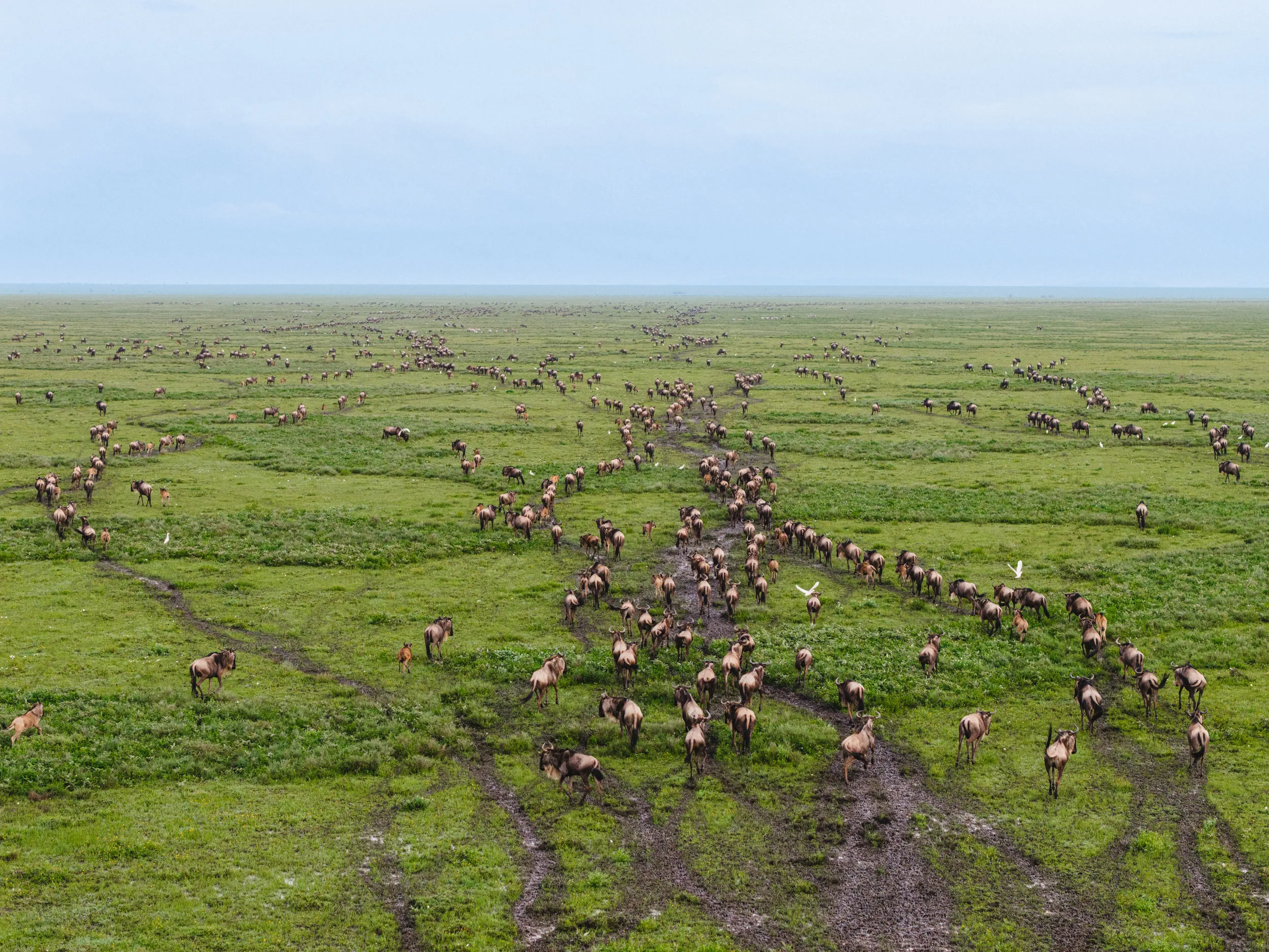
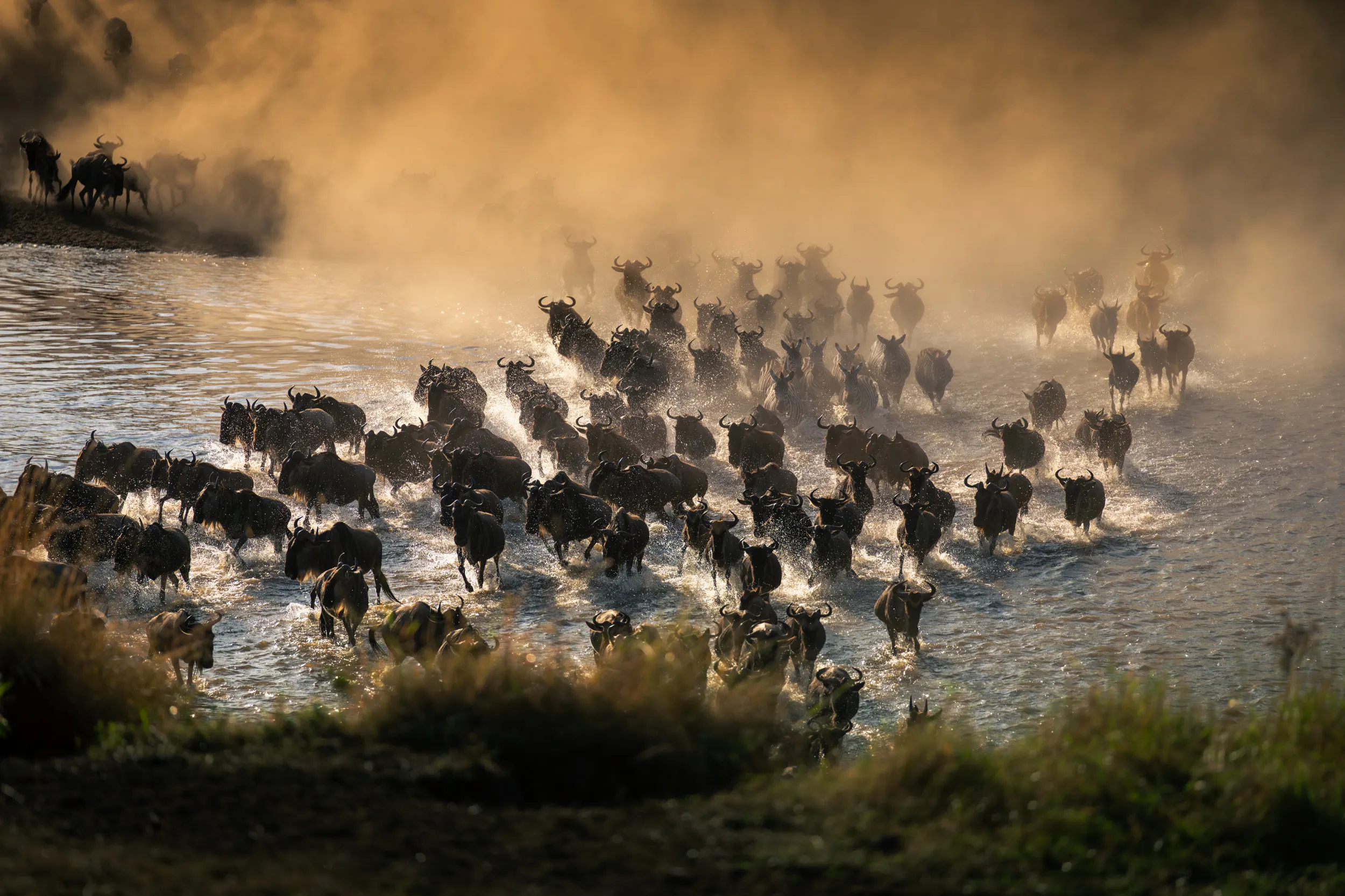
Great Migration

Each year, vast herds of wildebeest and zebra move in a continuous, instinct-driven cycle across the Serengeti, shaped by seasonal rains and grazing patterns. Beginning with the calving season in the southern plains, the migration pushes north toward dramatic crossings over the Mara River. Predator interactions unfold throughout, adding a layer of tension to this dynamic system.

Depending on when and where you go, you’ll witness different phases of the migration, from river crossings to calving season, each offering its own pace, scale, and perspective on one of Africa’s most defining wildlife spectacles.

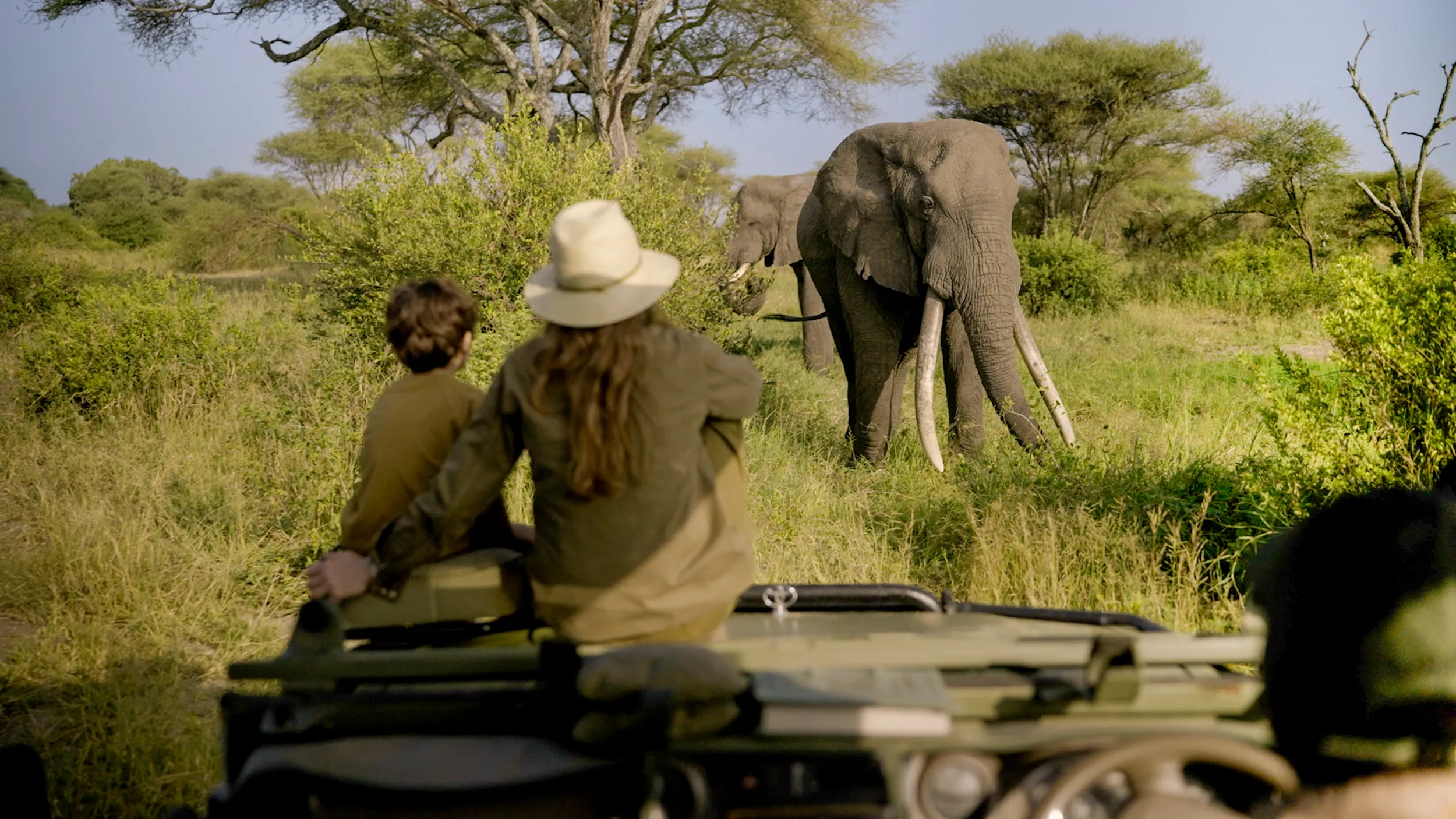
Big Tuskers

Across select parts of East Africa, a rare lineage of elephants known as Big Tuskers still roam free. These elephants — large bulls with tusks of exceptional size that sweep close to the ground as they walk — represent a surviving legacy shaped by genetics and time.

Found in areas such as the Burunge Wildlife Management Area in Tanzania and the Tsavo Conservation Area and Amboseli National Park in Kenya, encounters require patience and a genuine understanding of their movements. To sit with a Big Tusker as he feeds undisturbed is to understand deeply why the protection of wild, unfenced space matters — and what is at stake if it disappears.

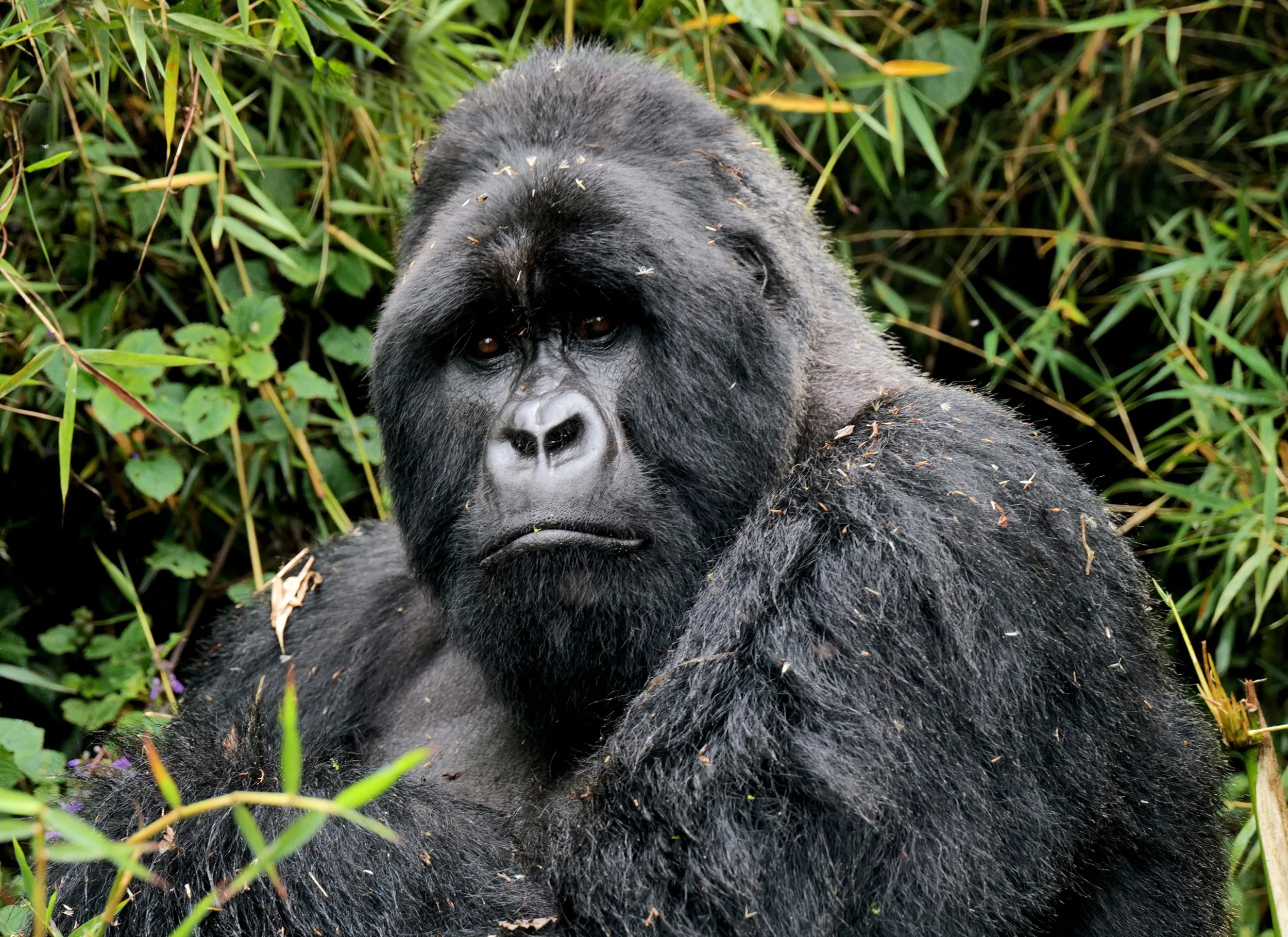
Gorillas

Trek through Rwanda's Volcanoes National Park or Uganda's Bwindi Impenetrable Forest to encounter mountain gorillas in their natural habitat. Climbing through mist-layered terrain, you'll locate a habituated family group and observe their interactions up close.

While time with these creatures is limited, the experience is profound and utterly unforgettable.

Beach

From the shores of Kenya and Tanzania to the spice-scented island of Zanzibar, East African beaches are the perfect post-safari counterpoint.

Snorkel coral reefs, kite surf, laze on white sand, or drift offshore on a traditional dhow. Unhurried and beautiful, it's the ideal place to exhale after extraordinary days in the bush.

Hot Air Ballooning

At first light, a hot air balloon ascends gently above the African savannah below you, as the landscape reveals itself to you in soft, shifting color.

Herds move silently below, the scale of the ecosystem suddenly and completely apparent. Each wind-guided flight is unique and ends with a bush breakfast to ground an extraordinary and unforgettable morning.

Walking

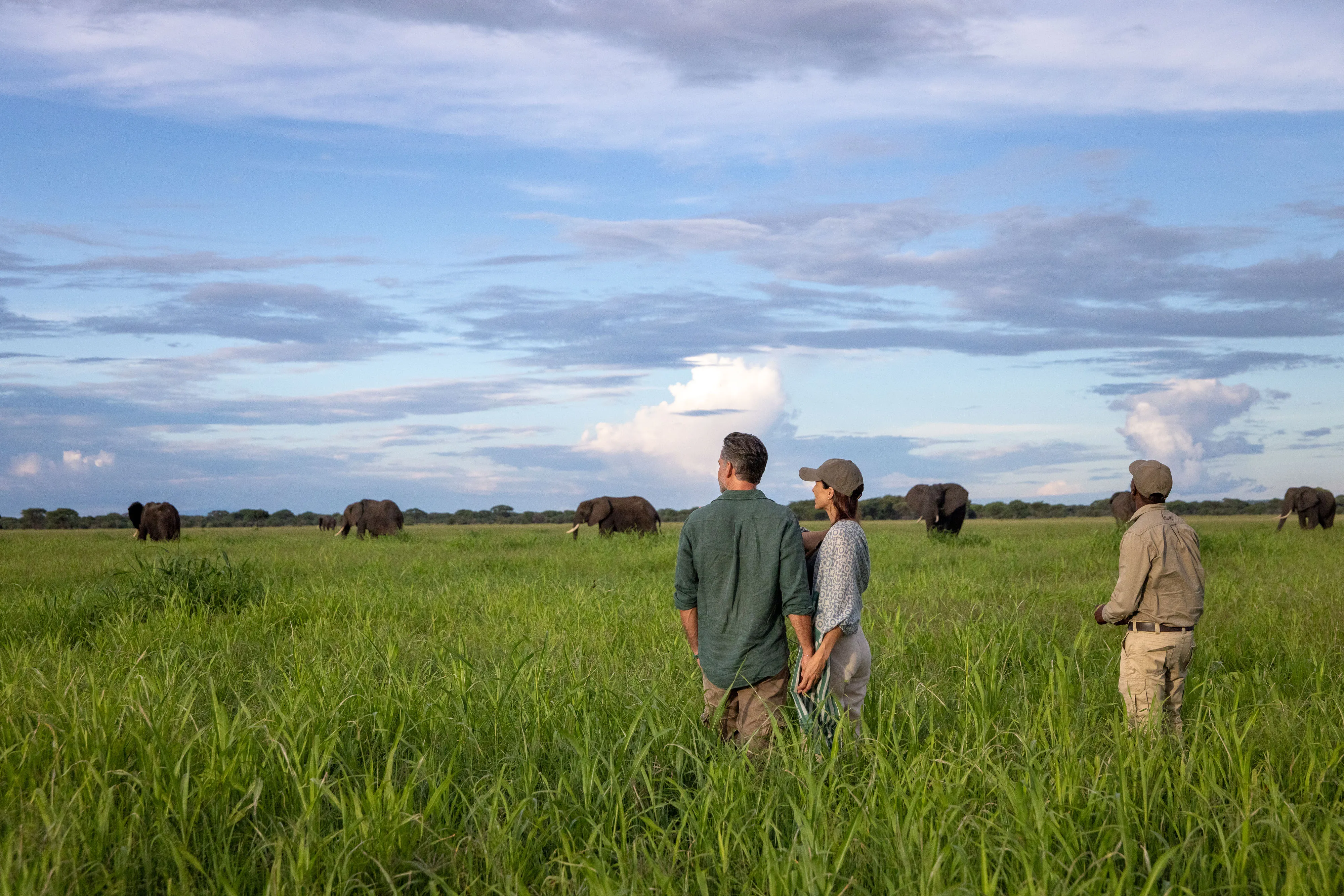
Exploring the African savannah on foot introduces another dimension to safari that a vehicle simply cannot offer. Pace and attention shift away from distance and toward immediate details: tracks pressed into dry soil, the alarm call of a distant bird or the shift in wind direction.

Guided by highly trained professionals with deep field knowledge, walking safaris are carefully supervised, allowing for both safety and in-depth sharing of local knowledge. Without the barrier of a vehicle, sound, scent and movement all become more immediate, allowing you to build a relationship with the wild that is harder to achieve from atop a vehicle.

Helicopter

Helicopter access opens up areas of East Africa that are otherwise unreachable — the escarpments of the Great Rift Valley, the remote expanses of northern Kenya or river gorges and crater rims that roads are unable to access.

Flights are tailored to maximise both visual impact and efficiency, revealing dramatic shifts in terrain, geology and scale. The ability to land in isolated locations adds another layer, allowing for a private experience that is entirely your own. Whether you take a helicopter flight to connect safari destinations or as a standalone activity, helicopter journeys offer access, flexibility and a new perspective of the vast landscapes below.

Chimps

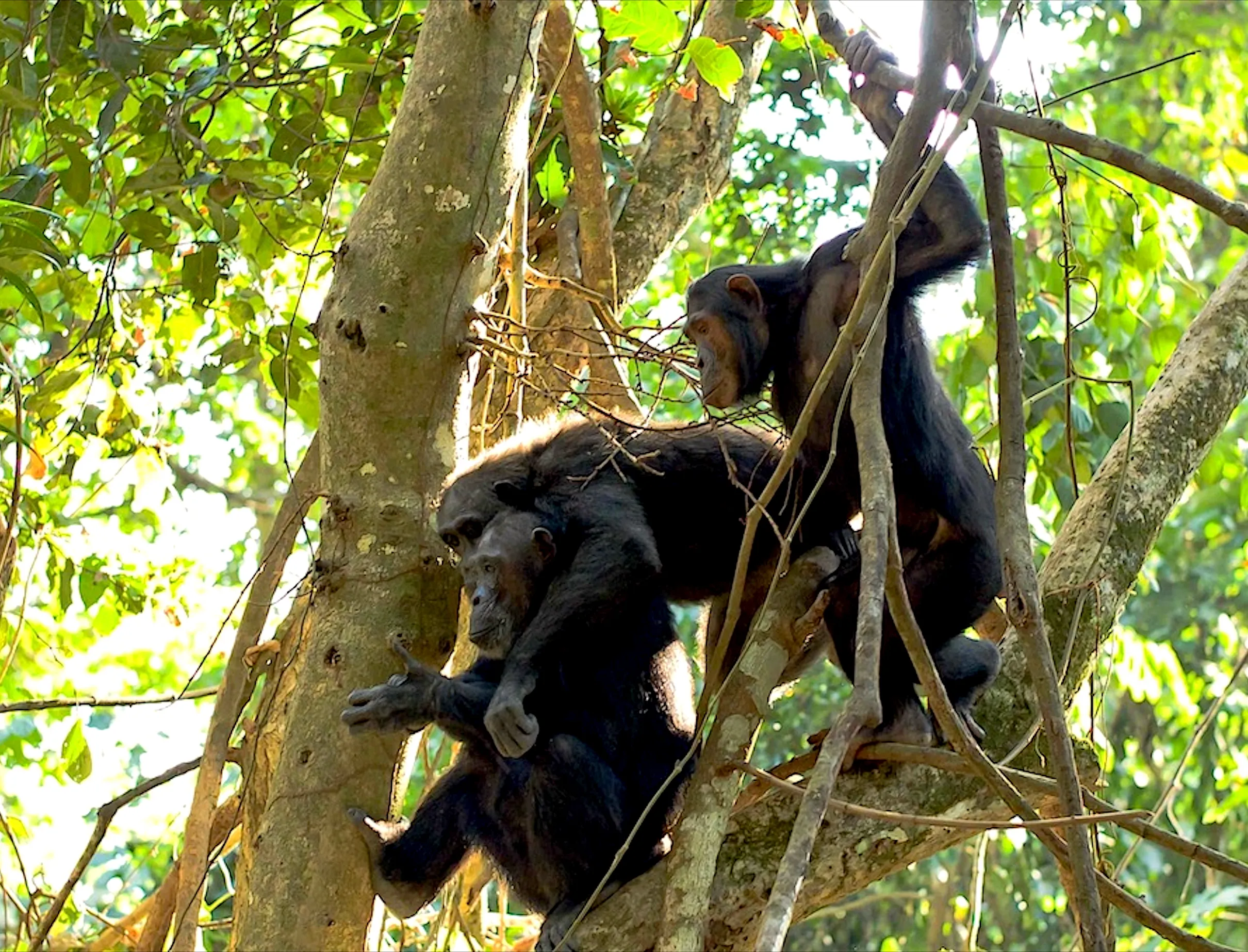
Uganda's Kibale Forest is among the last places in the world to track wild chimpanzees. Restless, vocal, and quick-moving, chimps are a striking contrast to slower-paced gorillas. Expert trackers follow sound as much as sight, while the dense, biodiverse forest adds depth and beauty to a truly unique encounter.

Sundowners

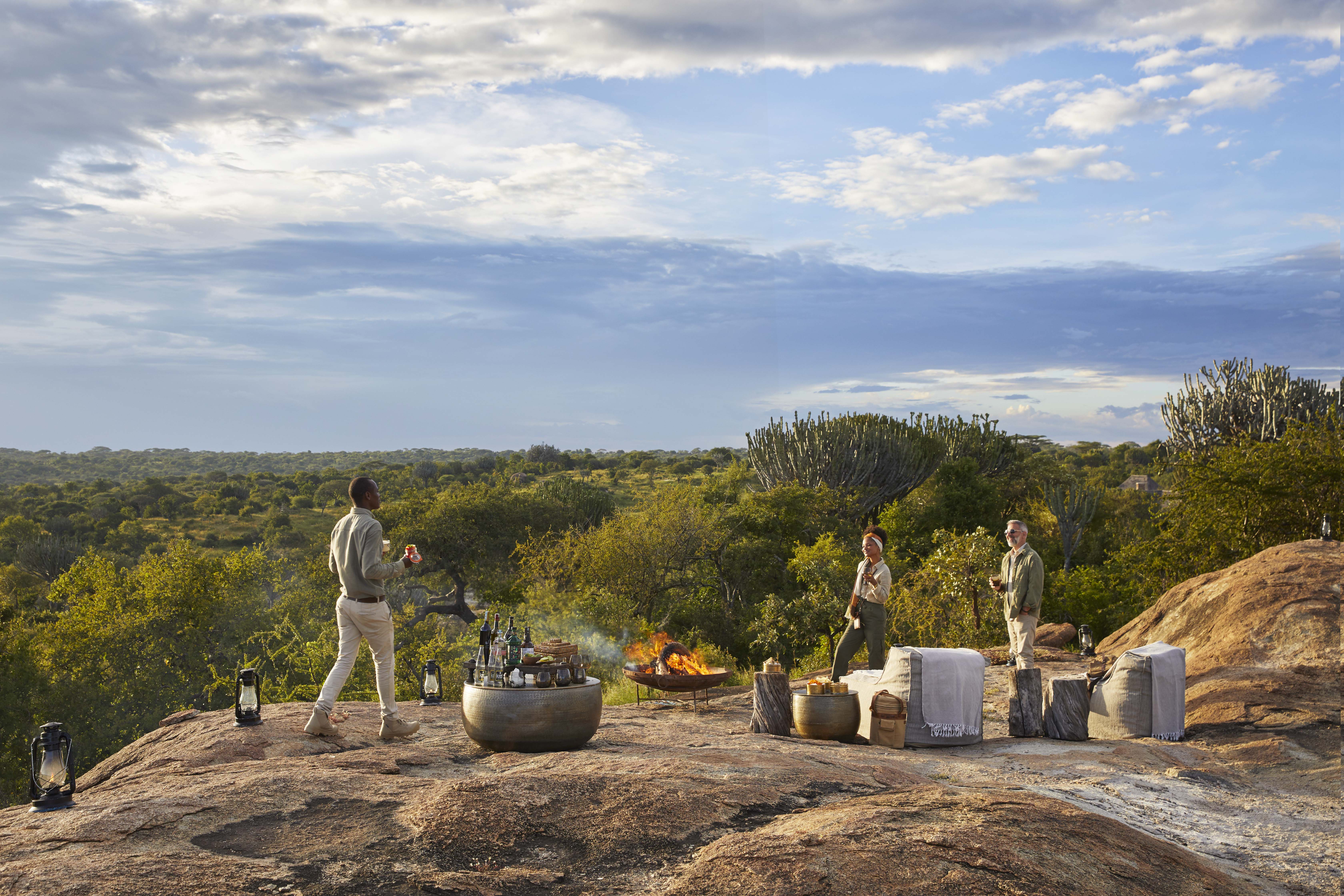
Few rituals in the bush carry the weight of a well-chosen sundowner. As the light drops and the landscape shifts from gold to amber, the day's encounters settle into quiet conversation over cold drinks and open skies. The location changes — kopje, floodplain, the edge of a waterhole — but the feeling does not.

Running with the Maasai

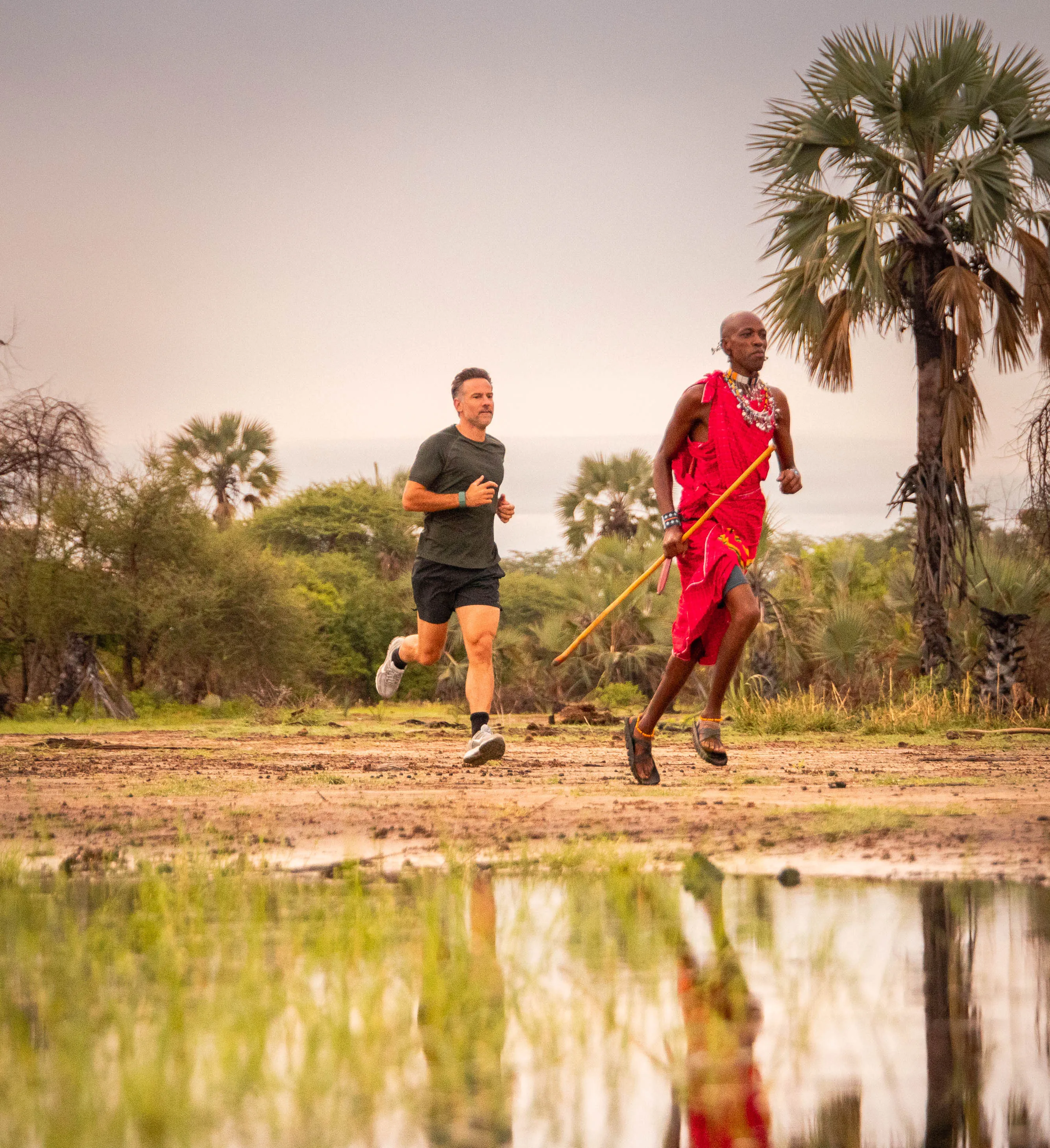
Running alongside Maasai warriors shifts the savannah into something entirely different. These are men who move across vast distances as a matter of life — their pace, posture and reading of the land rooted in generations of knowledge. It is less a workout than an exchange: their world, shared at a speed few visitors ever experience.

Wellness

The bush has its own recipe for restoration: early mornings, expansive skies and a slow rhythm to the day that feels like the perfect antidote to modern life.

In the wild, wellness isn't delivered through structured programs — it's woven into the natural pace of each place. Open-air treatments, thoughtfully designed spaces and the unhurried flow of a safari day all conspire toward stillness. Whether you're overlooking savannah, forest or ocean, what emerges is something simpler and more lasting — a quality of presence and the rare luxury of time to reflect, breathe and reconnect with yourself.

Culture

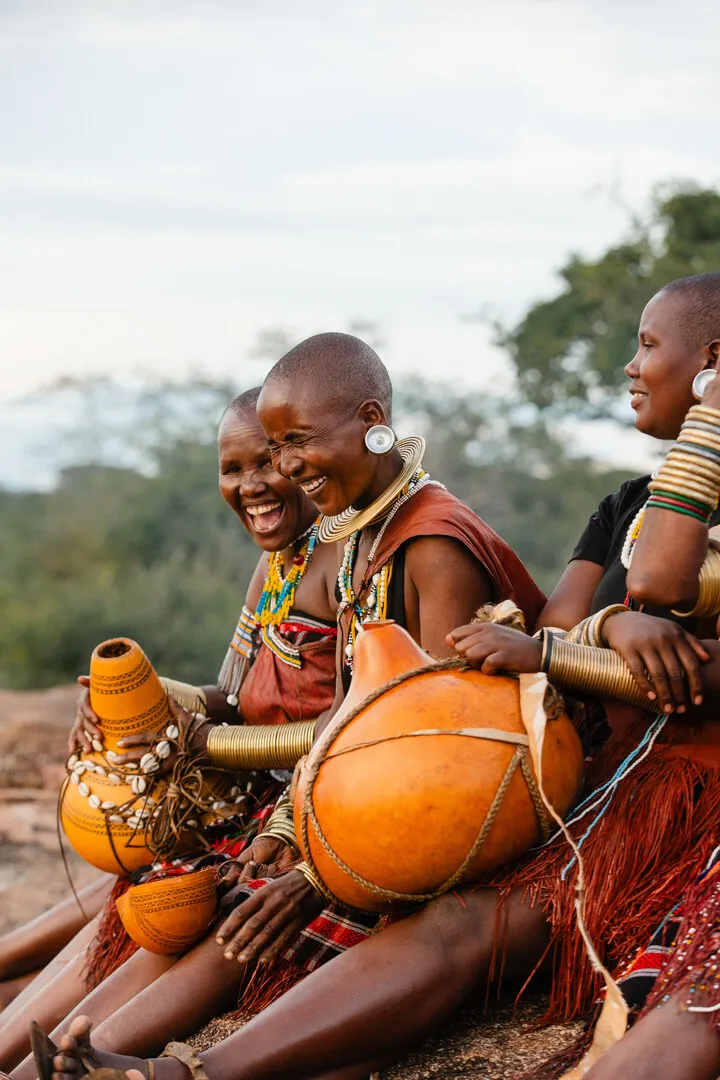
East Africa's cultural landscape is as layered and compelling as its wildlife. Encounters with communities — among them the Hadzabe, one of the last remaining hunter-gatherer tribes, the pastoral Datoga of northern Tanzania and the Maasai of Kenya — are shaped by genuine dialogue rather than performance. In Zanzibar, the narrow streets and carved doorways of Stone Town carry the weight of a complex trading history, adding depth through architecture and narrative.

Culture here is never separate from the safari journey — it's integral to understanding each region more completely, and among the most enduring parts of the experience.