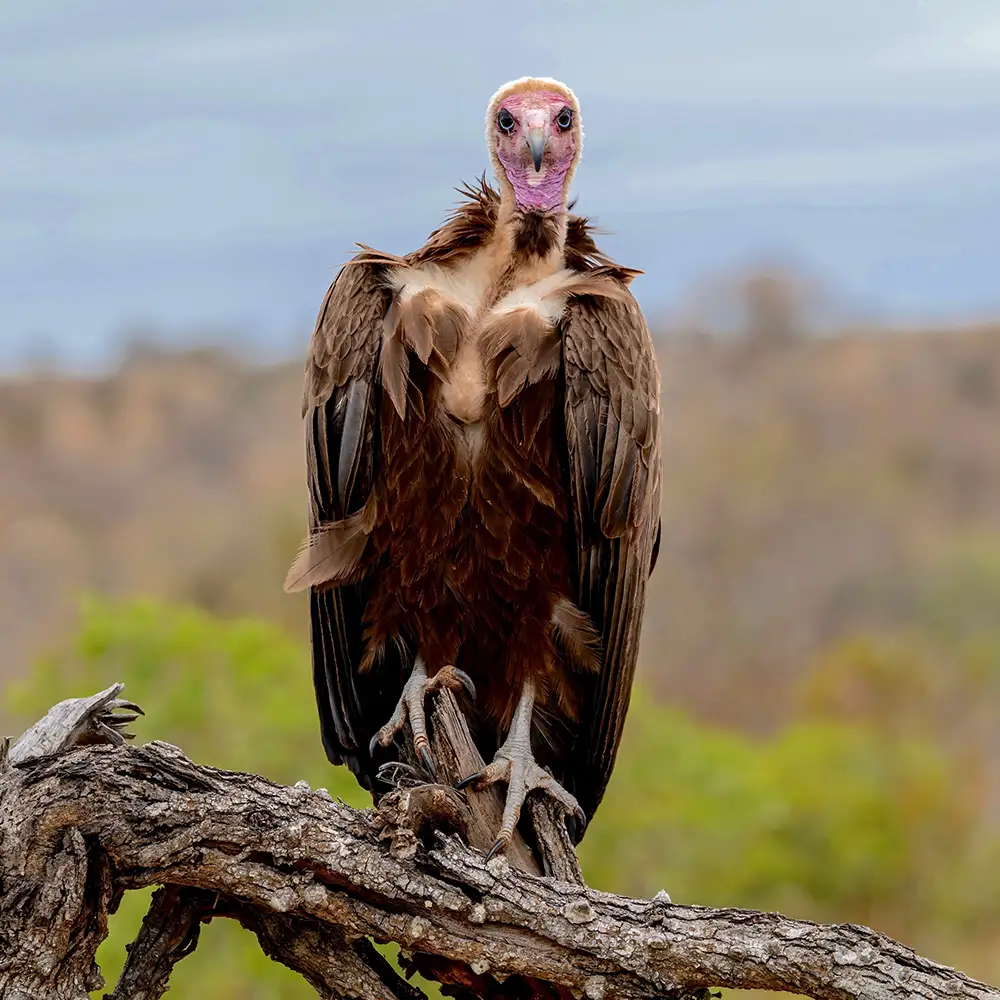
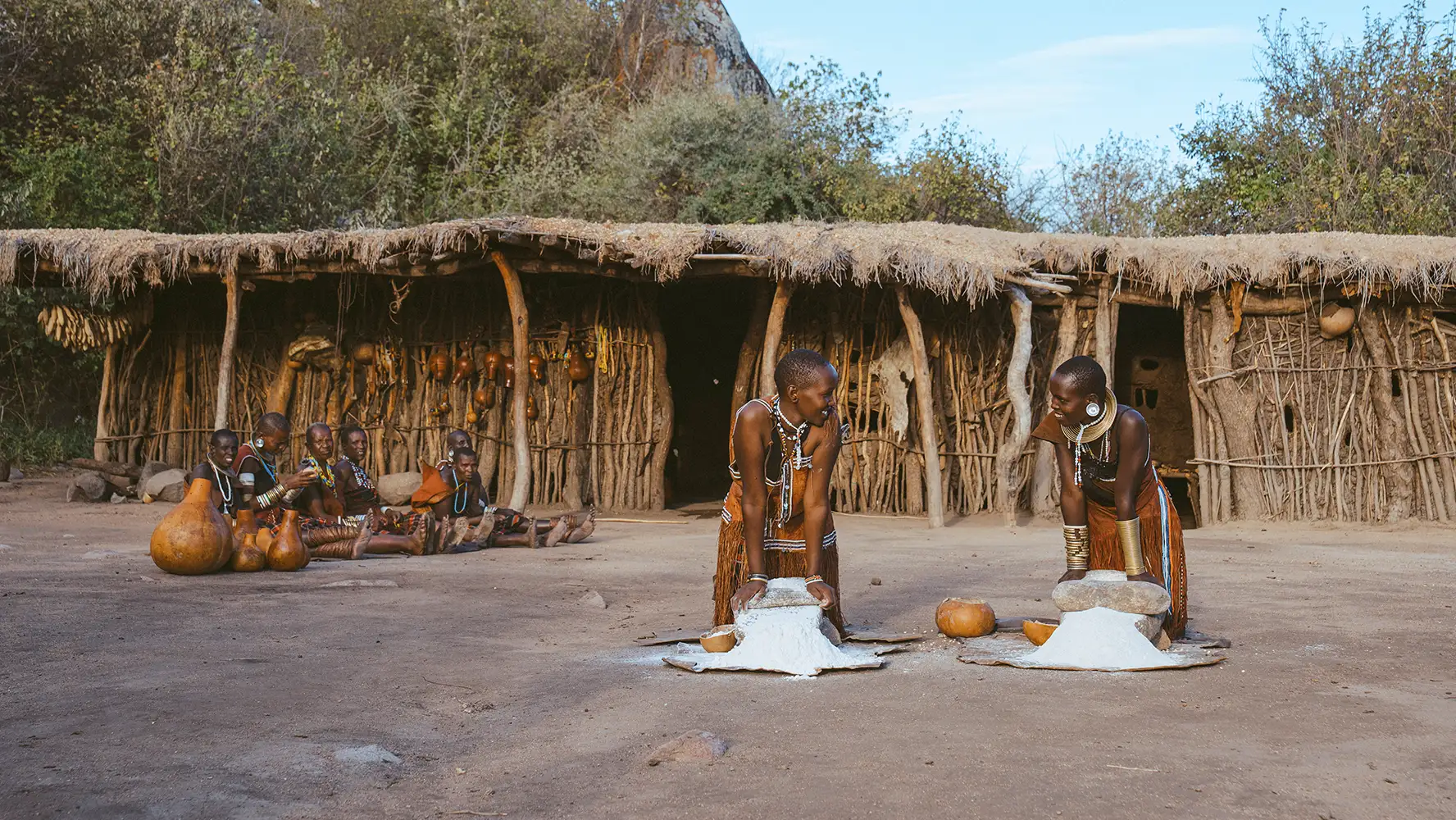
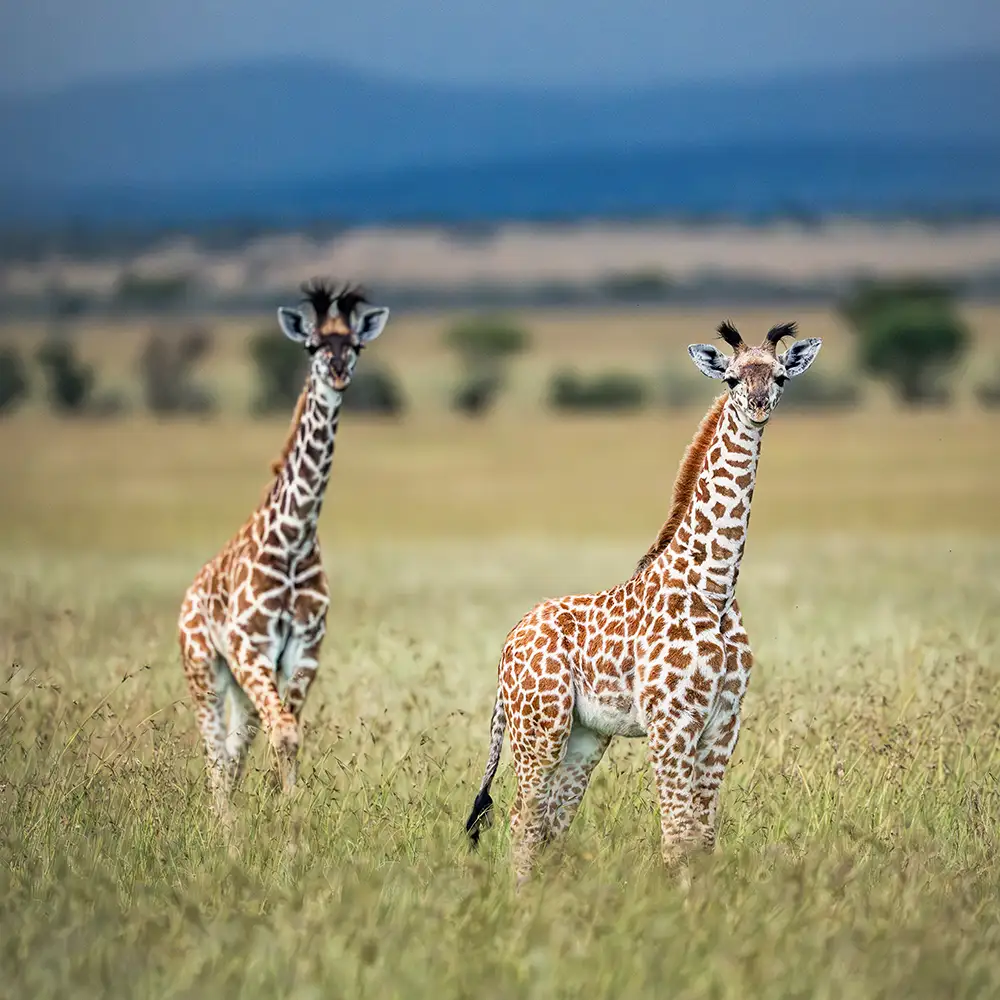
Our story is born from one family’s deep love for the Tanzanian wilderness — its ancient landscapes, far-roaming herds and plentiful prides, and the communities that call it home.
What began in 1995 as a personal mission to protect Tanzania’s natural heritage and wildlife has, over the course of 30 years, evolved into one of Africa’s premier luxury safari operators.
Today, we have the privilege of sharing this wilderness — from the savannas of the Serengeti National Park to our two exclusive-use protected wildlife areas — with the explorers, adventurers, and conservationists who come to us to answer the call of the wild.
Every game drive, every campfire story, and every toast at sunset is guided by a dual purpose: to provide unforgettable encounters with Tanzania’s iconic wildlife while actively protecting the landscapes that make these bucket-list moments possible.

In sharing the magic of Tanzania’s wildlife and wild spaces with you, we’re able to continue our commitment to protecting them. Every Legendary safari directly supports our conservation efforts, as well as driving crucial economic empowerment and education initiatives in the communities that surround us.
Here, at the intersection of ecotourism and conservation, we have created a model where wildlife and local communities can thrive together, ensuring that these natural wonders endure for generations to come.

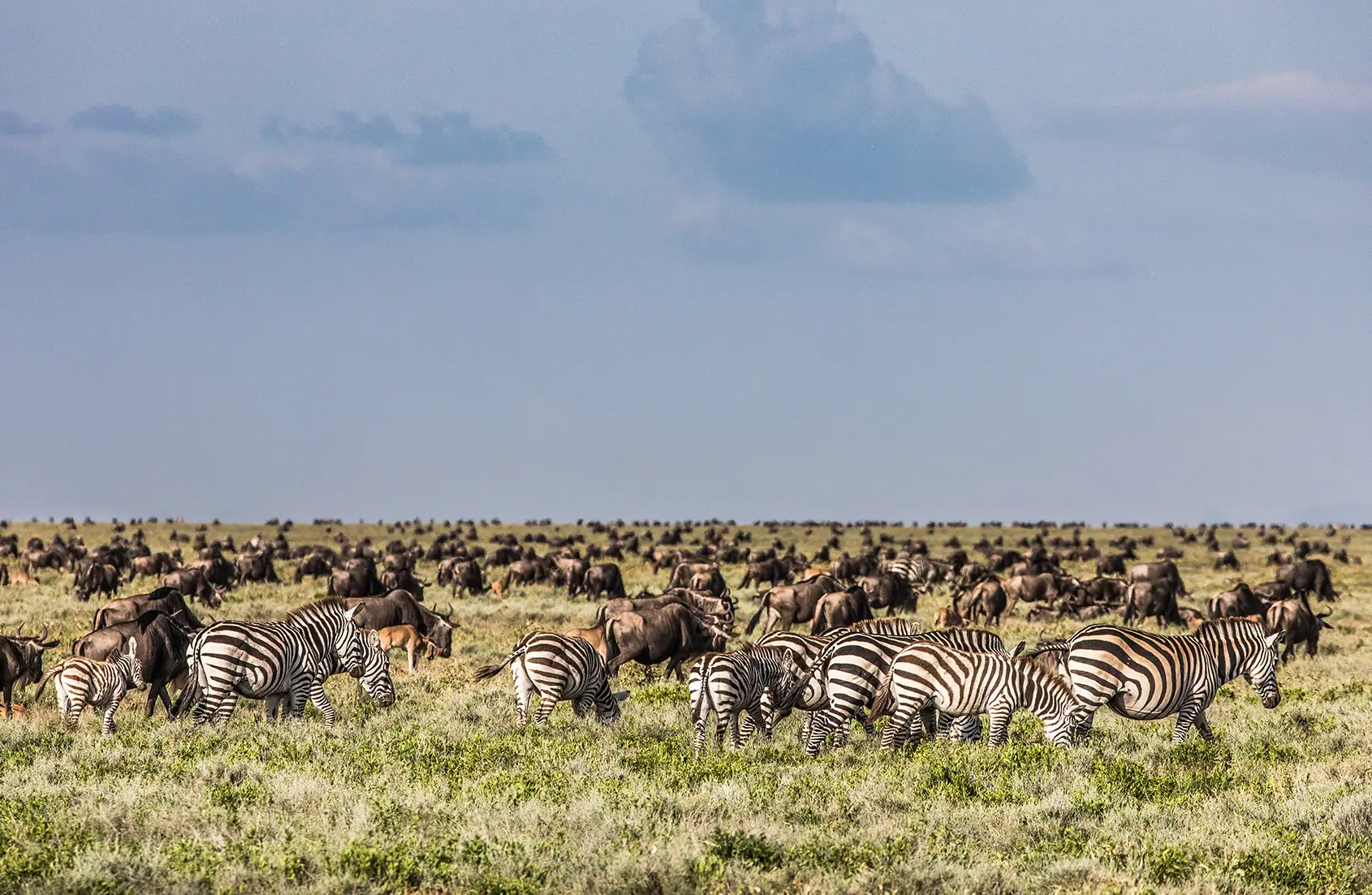
Our conservation story centers on two ecologically significant protected areas: Mwiba Reserve and Maswa Kimali. Bordering Serengeti National Park, these areas cover around 8% of the Greater Serengeti and Ngorongoro Crater ecosystems — home to the Great Migration.
Leading wildlife management in Tanzania is our affiliate, the Friedkin Conservation Fund (FCF), a non-profit organization focused on impactful philanthropy and conservation initiatives throughout Tanzania.
Working in conjunction with our affiliates, FCF safeguards these vast wilderness areas, which act as vital buffer zones to the Greater Serengeti and Ngorongoro Crater ecosystems. FCF engages local communities as partners in conservation and collaborates with stakeholders in effective wildlife management and research.
FCF’s work is guided by three core pillars: wildlife protection (including anti-poaching and population monitoring); habitat management, focusing on ecosystem balance by removing invasive species and reopening grasslands; and community empowerment — creating sustainable livelihoods that support conservation goals.

2024/2025
Measurable impact makes for tangible change. Over the past year alone our conservation and community empowerment initiatives have grown from strength to strength.

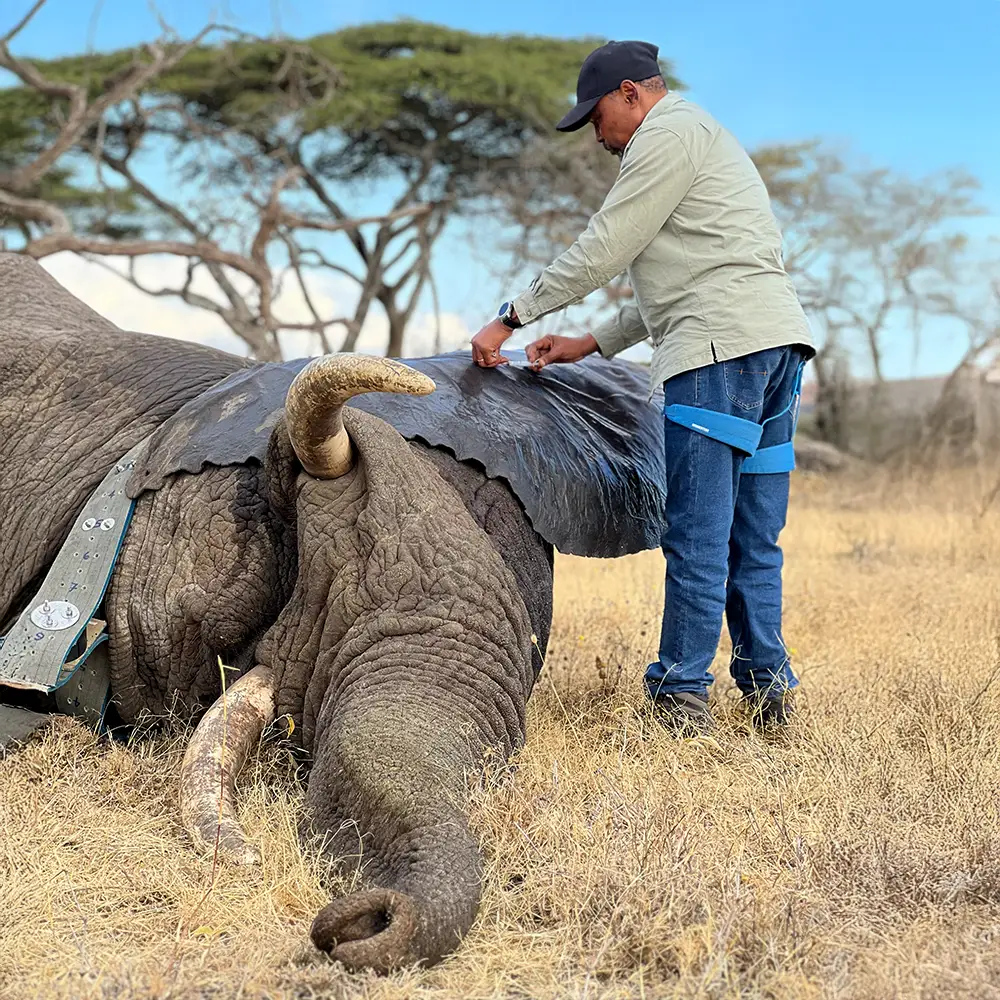
Elephants collared and tracked to reduce human-wildlife conflict.
Bicycles distributed to improve school attendance.
Students reached with conservation education.
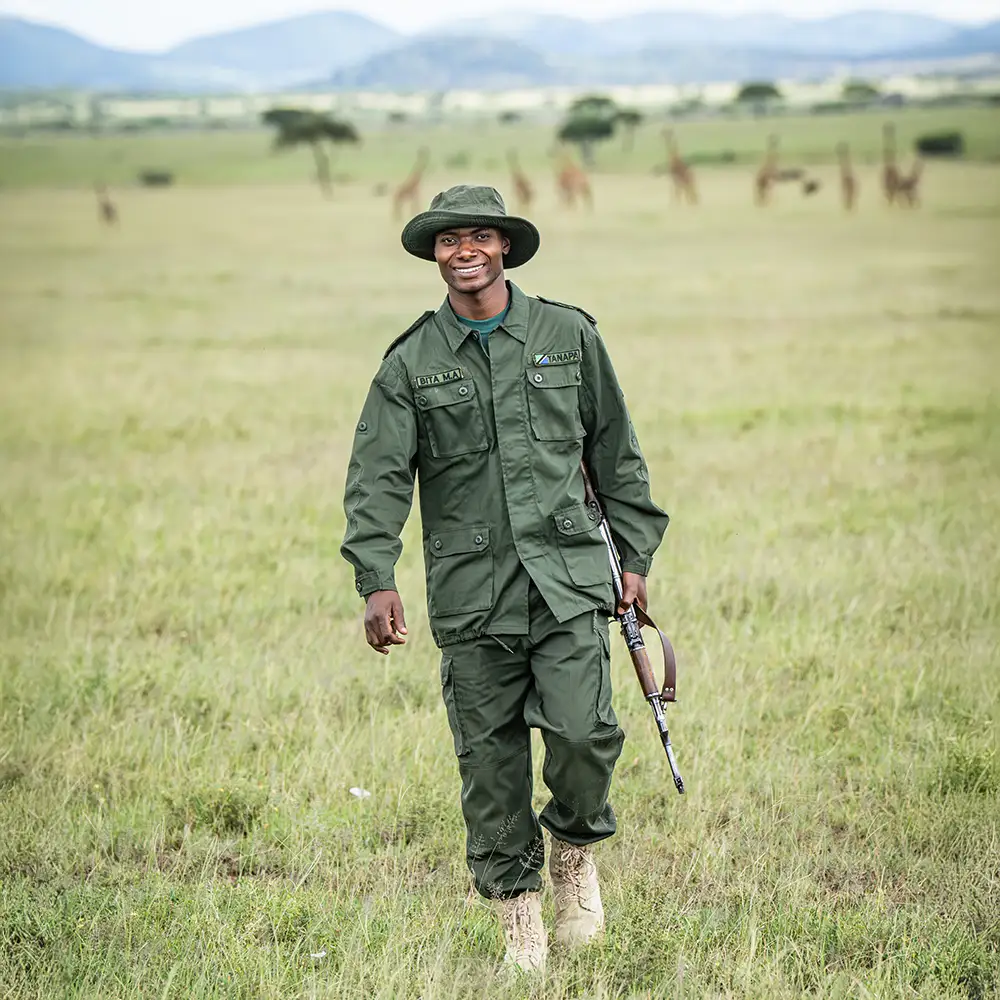
Anti-poaching ground patrols conducted, deterring poaching across vast territories.
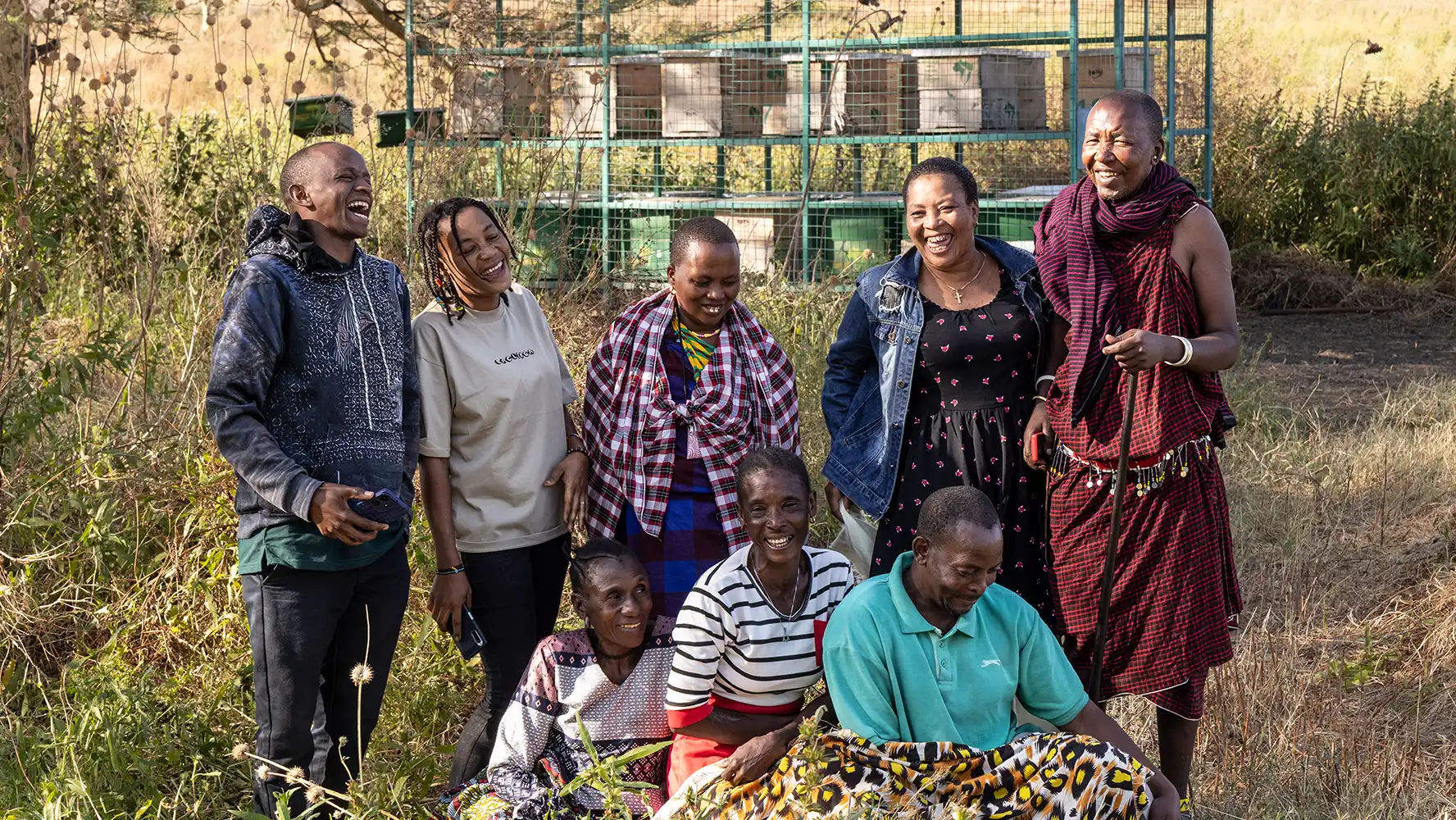
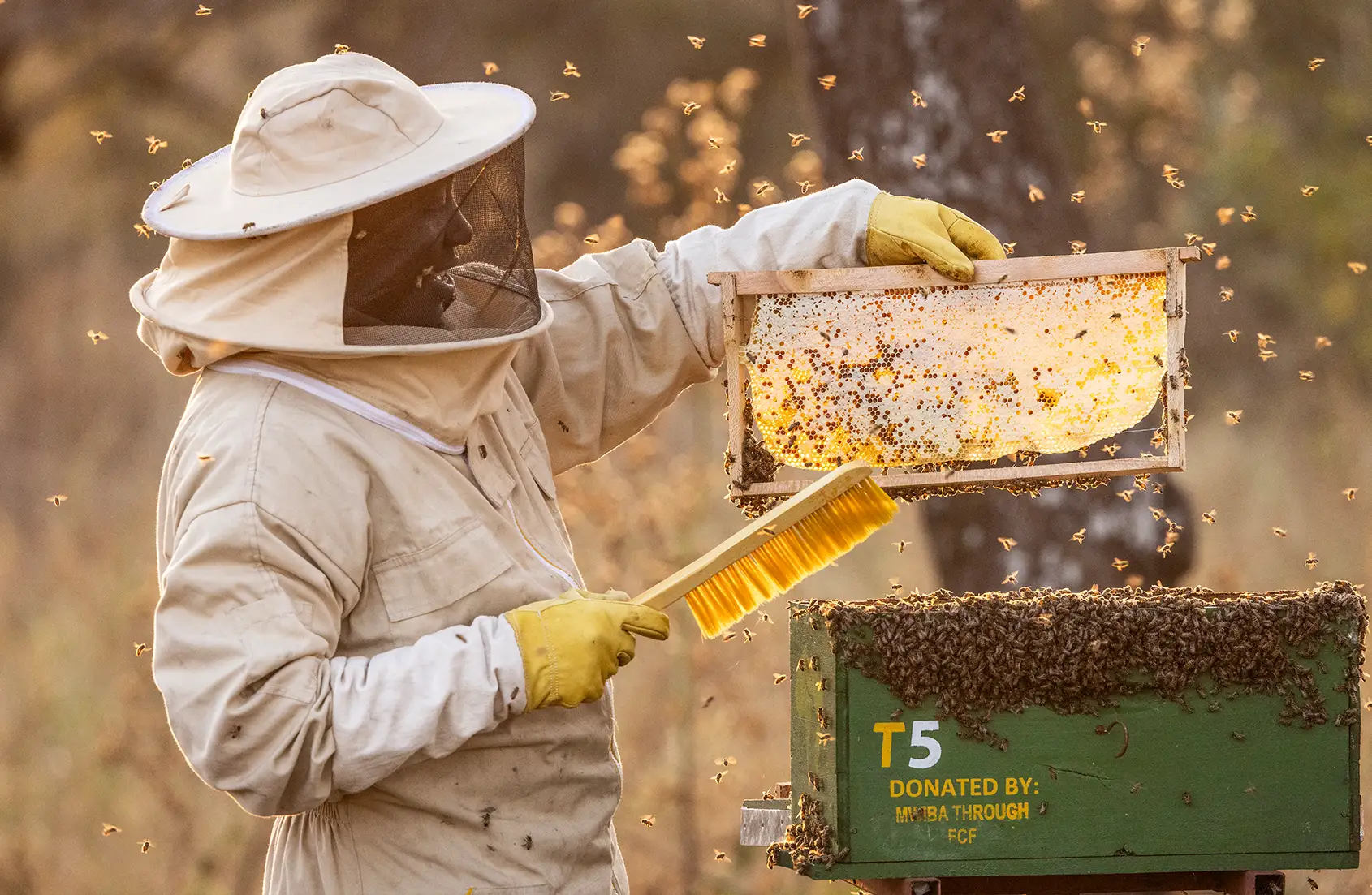
Kilograms of honey harvested by our beekeeping groups.
Meals provided daily to school children across the region.
Hectares of invasive Whistling Thorn Acacia cleared to open up grasslands.